
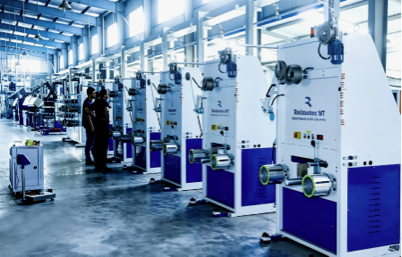
Direct answer: approve the consumable on the actual line
Automatic-machine compatibility requires the proposed strap to fit the machine’s material, dimensional, feed, dispenser and joining requirements. A successful short run is useful evidence, but does not establish reliable performance across the full operating range.
Specify the machine and the strap together
Searching for an automatic PET strapping machine can mean buying equipment or finding strap for an existing line. This guide addresses the second task: qualifying polyester strapping for a specific machine. Newton’s discussion here concerns the strap specification and application brief; equipment selection and permitted settings should be confirmed with the machine provider.
Start with the exact model and strapping head, not only the brand. Record the approved material, width, thickness and coil interface from the equipment documentation. Similar-looking machines can have different guides, gripping parts or sealing systems. Compatibility must be established for the proposed combination.
Build the machine-compatibility record
| Item | Information to record |
|---|---|
| Machine and head | Model, relevant configuration and operating instructions |
| Strap window | Permitted PET width, thickness and tolerances |
| Feed path | Guides, track condition, feed reliability and restart behavior |
| Sealing process | Method, overlap, settings and made-joint results |
| Dispenser | Interface, coil format, winding and behavior as the coil empties |
| Production conditions | Package range, line speed, stops and changeovers |
Keep the current approved strap and settings as the baseline. Ask the machine provider about any material restrictions before running a different grade.
Look beyond a nominal width match
Consistent feeding depends on how the strap and machine interact. Dimensions, straightness, winding and contact with the feeding system can affect a trial even when the nominal width matches. A material certificate alone cannot show that a coil will run reliably through a particular installation.
Inspect the machine and dispenser before attributing every stoppage to the strap. Record track condition, guides and coil loading. When evaluating a candidate, keep the setup controlled and log the type and location of each interruption. This gives both material and equipment suppliers evidence they can investigate.
Validate joints during the production trial
The machine must make an acceptable joint as well as feed the band. Record the sealing method and settings with the sample batch, then check the actual joints produced. Compare results at normal conditions and relevant restarts or changeovers. A joint photograph can support the record but does not replace a required strength measurement.
Use the actual package range to assess tensioning and contact points. Confirm acceptance criteria before approving the trial, including feed failures, joint failures and package condition after handling. A few successful cycles are a useful initial check, not evidence of long-term compatibility.
Create a repeatable handover
After approval, record the accepted grade, operating window, coil format and inspection requirements. Define how a new batch or specification change will be reviewed. Keep production and purchasing informed so a substitute coil is not introduced solely because it shares a width label.
Send Newton the machine and head model, current PET specification, sample-coil details, operating conditions and the problem you want to address. Ask for a proposed strap and coordinated trial. References to equipment manufacturers in supporting sources describe their own systems; they do not imply Newton affiliation, approval or universal machine compatibility.
Trial matrix for an automatic line
| Trial stage | Record | Decision |
|---|---|---|
| Receiving | Grade, batch, dimensions, coil condition | Matches agreed sample |
| Feeding | Operating speeds, feed interruptions, coil run-down | Meets agreed reliability criteria |
| Joining | Settings, appearance, test results, failure location | Meets agreed joint criteria |
| Loaded package | Contact points, strap position, package condition | Meets application review criteria |
Compatibility evidence and responsibilities
Keep the machine documentation, sample identity, settings, trial conditions and sign-off together. A manufacturer’s reference to machine-grade PET describes its own product and is not an approval for Newton on your machine.
NEEDS BUSINESS VERIFICATION: a Newton compatibility matrix by machine model and approved strap grade. This page concerns PET consumable selection; it does not offer automatic strapping machines for sale.
Automatic line questions
Is smooth or embossed always better?
Neither finish is a universal choice. Review the specified grade and the machine’s feed, grip and joining requirements.
Can changing welding settings cure every joint issue?
No. Check the material, contamination, alignment, equipment condition and documented operating window before adjusting settings.
Sources and scope
Public references provide industry context. Other manufacturers’ specifications are not Newton approvals. Paid standards were not accessed in full.
- ASTM D3950-23 listing — Official standards directory; no Newton certification claim. Accessed 2026-10-14.
Connect this guide to your application
Use the product families below to start a specification review. Suitability and availability require confirmation for the proposed grade.
- Newton PET Strapping
- NewtonStrap - Plus
- Fiber application requirements
- Logistics application requirements